

Visas, costs, what to expect, questions to ask, COA explained, and after-care — everything in one guide.
This is our pillar guide for anyone considering treatment in Thailand. Work through it in order: the decisions at the top change everything below them.
1. Are you a candidate?
Regenerative treatment is most plausible for inflammatory and degenerative conditions with some remaining tissue to work with. It is least plausible for end-stage structural damage. Any clinic that accepts every enquiry without reviewing imaging or records is not assessing candidacy.
2. Legality and regulation
Thailand licenses facilities and registers physicians, but most indications are not individually approved. Read the legality breakdown before you evaluate any marketing claim.
3. Budget and pricing
Plan for US$5,000–15,000 for a typical UC-MSC programme, plus travel, accommodation and diagnostics. Our cost guide breaks this down by condition.
4. Visas and entry
- Many nationalities receive visa-exempt entry for short stays — confirm your own eligibility at thaievisa.go.th.
- Multi-week protocols may require a medical treatment visa; the clinic should provide a supporting letter.
- Carry your treatment letter, appointment confirmation and return ticket at immigration.
5. Choosing a clinic
Compare at least three. Look for a named physician, a documented laboratory, a written protocol and an itemised quote. Start with the clinics below, or browse the full directory.
Vega Stem Cell Clinic
Bangkok
4.9 (76)
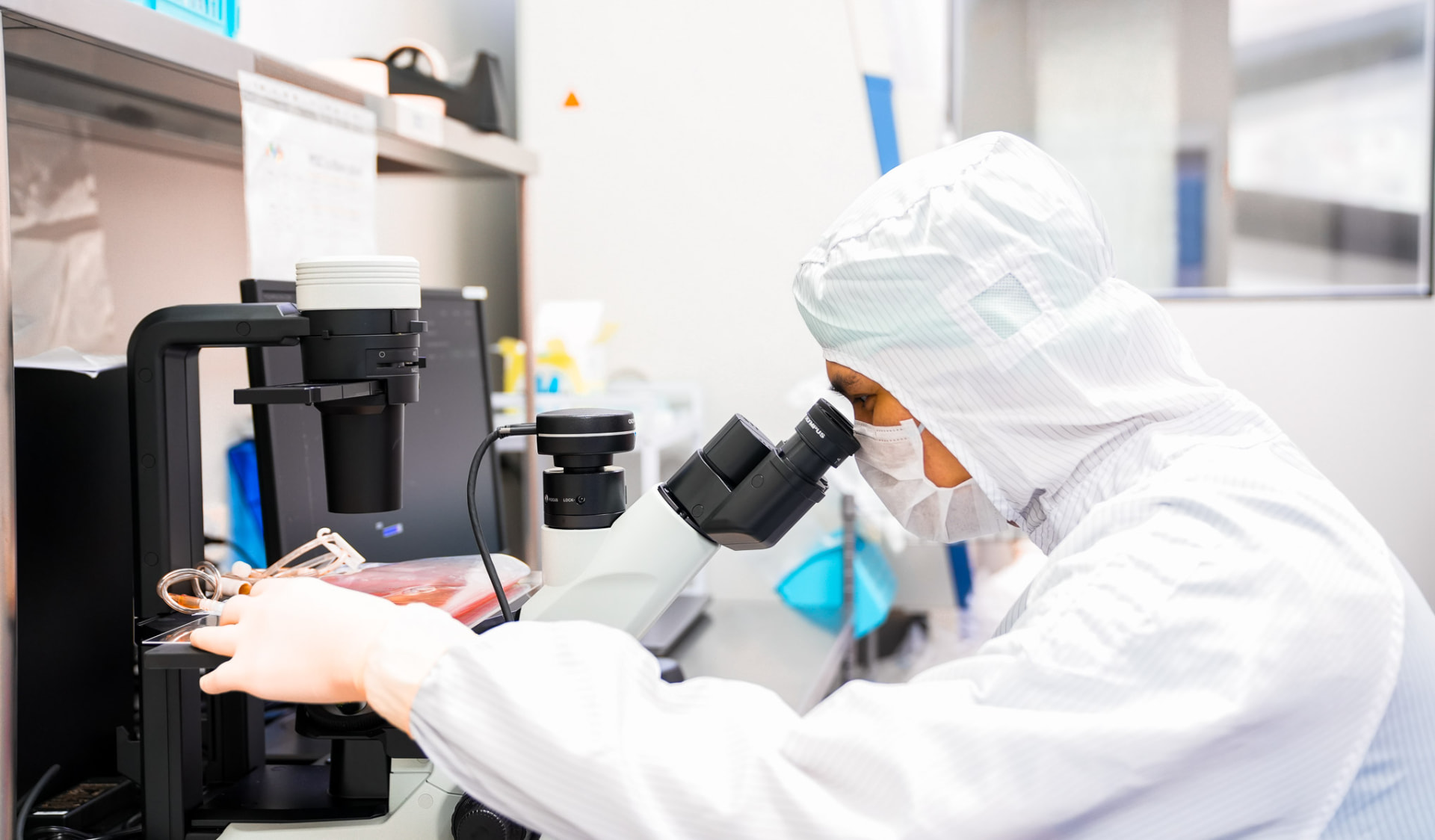
Established 1989. In-house GMP cell processing lab with ISO, OECD GLP and AAALAC certifications. 200+ medical staff serving 40+ countries.
Revival Clinic Bangkok
Bangkok
4.9 (327)
Voted Best Stem Cell Clinic 2025. Fresh, never-frozen UC-MSC protocol. 156 verified 5-star reviews. Direct WhatsApp access to Dr. George.
StemCells21 — SC21 Medical Centre
Bangkok
4.5 (67)
Founded 2008. Multinational team in a 5-star hotel setting. 4,000+ patients from 50+ countries. Thai FDA-licensed manufacturing as of 2025.
6. Questions to ask before you pay
- What cell type and source will be used?
- How many viable cells per session, and at what viability?
- Where is the laboratory, and is it GMP or ISO certified?
- Who administers the treatment, and what is their registration number?
- What published evidence exists for this treatment in my condition?
- What exactly is included in the price?
- What is the follow-up plan, and is it included?
- What happens if I have a reaction after flying home?
7. The certificate of analysis
The COA is the document that proves what you received. It should state cell count, viability percentage, sterility testing, endotoxin testing and identity markers. See our full COA explainer.
8. Fresh vs cryopreserved
Both are legitimate. Viable cell count matters more than freezing history — see the fresh vs cryopreserved comparison.
9. What treatment day looks like
- Consultation and consent, usually with repeat bloodwork.
- IV infusion typically takes 45–90 minutes; joint injection is quicker but image-guided.
- Observation period afterwards, commonly one to two hours.
- Mild fever, fatigue or headache in the following 24–48 hours is common.
10. After-care and going home
- Ask for a written discharge summary and your COA before you leave.
- Plan at least 24 hours between an infusion and your flight home.
- Agree a follow-up schedule and a direct contact route with the clinic.
- Give your own physician at home the full documentation.
Still deciding? Our FAQ answers the shorter questions.
Compare clinics for your condition
Browse independently scored clinics across Thailand, or request a free quote.


